The brass latch of the old lunchbox had a little click to it that Arthur Campbell could recognize in his sleep. Thirty-four years of carrying that heavy tin down to the rail yards and back home again had worn the green paint off the corners right down to the bare, dull metal, leaving silver patches that caught the October sun whenever he set it down on a bench. That particular Tuesday had an iron chill to it, the kind that smelled of wet leaves and coal smoke rolling off the B and O engines down by the river, and Arthur had found himself sitting on the far side of Madison Park because the noise from the machine shop had started ringing in his skull like a hammer on an anvil.
He was fifty-two back then, his shoulders still thick from hauling forged steel, but his boots were letting water through the seams and his soul felt as thin as onion paper since Martha had passed the previous winter. That was when he saw the boy.
He was sitting alone near the maple tree where the leaves had piled up deep enough to hide the roots, maybe ten or eleven years old, wearing a denim jacket that was three sizes too small in the sleeves and shoes so split at the toes that Arthur could see the white flash of cotton socks beneath.
The kid wasn’t crying. That was what got to Arthur first, because a crying child you can hand a nickel to or point toward a policeman, but a kid who just sat there staring down at his scuffed soles with his arms locked tight across his ribs like he was trying to hold his bones together was a different kind of trouble altogether. Arthur knew that look because he had worn it himself back during the depression when his own daddy had walked out for tobacco and never came back across the county line. He didn’t say hello right away.
He just pulled the heavy metal latch, let the lid swing back with that familiar tinny snap, and looked down at the two thick ham sandwiches Martha had wrapped in wax paper, along with a bright red apple she had polished until it shone like a billiard ball.
The smell of mustard and fresh rye bread drifted out into the crisp air, and Arthur saw the boy’s throat move as he swallowed hard, his eyes darting sideways for half a second before he caught himself and locked his gaze back onto his ruined shoes. Arthur didn’t want to offer charity because he had pride enough to know how cold charity felt when you were down to your last dime, so he cleared his throat, rubbed his calloused palms together, and started rummaging through the tin as if he were looking for something he had lost down at the bottom.
He let out a long, theatrical groan that sounded like an old traction engine dying on a hill, shaking his head until the gray tufts at his temples danced in the wind. The boy glanced up then, startled by the noise, his eyes wide and dark in a face that looked like it hadn’t seen a full night’s sleep in a month of Sundays.
“Oh, my,” Arthur groaned softly, pitching his voice to sound as helpless and put-upon as an old man could manage. “My doctor told me I must eat less, but my wife always packs too much. If I take this home, she’ll be cross with me for wasting it.” He looked over at the boy with a wrinkled frown, squinting against the low autumn glare as if he were trying to puzzle out a complicated blueprint. “Would you mind helping an old man out of a predicament and eating half of this? You’d be doing me a massive favor.”
The boy didn’t move for a long beat, his fingers digging into the hem of his frayed jacket until the knuckles turned the color of chalk, weighing the shame of taking food from a stranger against the hollow ache behind his belt buckle. Then he saw that Arthur wasn’t looking at him with pity, but with the weary, irritated annoyance of a man who just wanted his lunchbox lightened so his wife wouldn’t scold him when he got back to the kitchen. The kid’s chin lifted just a fraction of an inch, his dignity intact because he figured he was the one doing the favor, and he reached out a thin, dirt-smudged hand to take the wax paper package Arthur held out.
He ate slowly, chewing each bite with a solemn concentration that broke Arthur right down to the marrow, and when he finished every last crumb of the ham and the apple both, he handed the core back with a polite little nod before slipping away into the shadows of the maple trees before Arthur could ask him where his people were.
The years didn’t slow down so much as they wore the edges off everything, turning thirty-four summers and winters into a blur of shift whistles, union meetings, and the quiet, heavy silence of an empty house after Martha was gone. Arthur kept working at the foundry until they automated the presses and gave him a bronze plaque with his name misspelled on it, and after that he stayed busy fixing small engines for the neighbors out of his garage until his knees started locking up and his chest began to feel like someone was tightening a steel band around his ribs every time he walked to the post office.
He didn’t complain because complaining never fixed a broken lathe, but by the time the leaves started turning that rusty orange color again, he knew he was running on borrowed time and bad oil. It hit him on a Thursday morning while he was trying to untangle a garden hose behind the shed, a sudden, white-hot flash behind his breastbone that dropped him onto the gravelly dirt with his breath whistling through his teeth like steam out of a cracked gasket.
The next thing he remembered was the sterile, lemon-scented brightness of Saint Jude Memorial Hospital, where the linoleum floors shone so hard you could see the fluorescent tubes reflected in them like pale ghosts. A young nurse with kind eyes and a badge that read Hayes had helped him into a high-backed chair after the surgery, telling him in a calm, steady voice that Dr. Vance had repaired his right coronary artery and that he was going to be just fine if he didn’t try to lift anything heavier than a cup of tea for the next six weeks. Arthur had nodded, his tongue feeling thick and dry in his mouth, grateful for the cotton gown and the warm blanket they had tucked around his shins, even though he kept turning over in his head the quiet arithmetic of what a week in an intensive care ward plus a team of specialists was going to do to his savings account down at the First National.
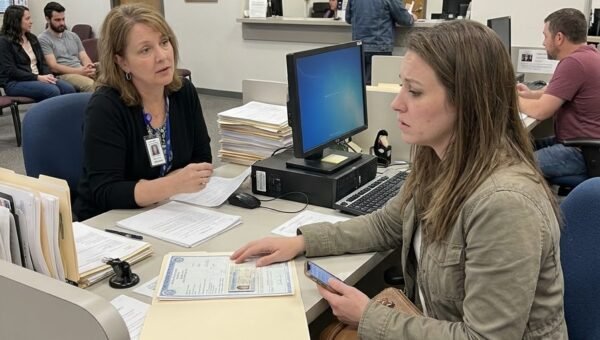
Three days later, he was sitting in the private administrative office on the second floor, waiting to go over his discharge paperwork with the billing clerk, feeling smaller than he had in a very long time as he clutched his old wool cap between his fingers. The room smelled of old paper, floor wax, and the faint, bitter scent of instant coffee from a chipped ceramic mug on the corner of the desk, and Arthur stared at the itemized ledger sheet lying face up between his elbows like a death warrant written in neat black ink. The total at the bottom of the page was $74,316.42, a number so large and impossible that it looked like a misprint from another planet, something meant for a steel baron or a politician rather than a retired machinist whose pension check barely covered his property taxes and his monthly blood pressure pills.
He reached out with a thumb that still bore the dark blue ink-tattoo of a grease smudge from forty years ago and traced the line marked professional surgical fees, wondering if he could sell the upright freezer in the basement or the old Sears lawnmower to cover even a fraction of the interest.
The door opened with a soft click, and a tall man in a dark gray suit jacket over blue scrubs stepped into the office, holding a single manila folder instead of a stack of collection notices. He had silver at his temples and deep, thoughtful lines around his eyes, but as he pulled off his wire-rimmed glasses and looked down at Arthur with a faint, knowing curve to his mouth, something in the shape of his jaw and the deep brown of his iris made the thirty-four-year-old chill in the park come rushing back into the room. Dr. Julian Vance didn’t look like a man about to talk about payment plans or credit checks; he looked like a man who had walked a very long way to deliver a message he had been carrying in his pocket since the seventh grade.
He didn’t sit behind the mahogany desk, but instead pulled up a straight-backed metal chair and sat right across from Arthur, resting his forearms on the wood with his hands clasped together, and Arthur noticed the way the doctor’s fingers were scarred across the knuckles from old shop accidents or kitchen burns long before medical school.
“You’re Arthur Campbell, aren’t you?” the doctor asked, his voice low and steady, carrying that exact same hesitant cadence Arthur remembered from beneath the maple trees in Madison Park.
Arthur blinked, his chest tightening not from pain this time, but from a strange, rising pressure behind his eyes that he hadn’t felt since they lowered Martha into the frozen ground. “Yes, sir. That’s right. I’m sorry about the delay on this bill, Dr. Vance. I know it’s a mountain of money, but if we can work out some kind of monthly arrangement where I give you fifty dollars every time my social security comes in, I swear I’ll chip away at it until, “
Julian raised one hand, palm out, a gentle gesture that stopped Arthur dead in his tracks, and then he slid a fresh, crisp sheet of paper across the desk right over the top of the terrifying $74,316 ledger. There was no itemized list of charges, no collection agency warning, no red stamp demanding immediate remittance, but only a single purple ink imprint at the bottom corner that read ZERO BALANCE PAID IN FULL, signed in a bold, sweeping hand that covered half the page. Arthur stared at the words, his brain refusing to connect the ink to reality, and he looked back up at the doctor’s face, searching for the joke or the administrative error that was bound to clear up in a minute once someone checked the patient ID numbers.
“I didn’t take you for a man who forgets a favor easily, Mr. Campbell,” Julian said softly, his eyes shining with something very bright and very old as he leaned in closer across the narrow gap between their chairs. “Thirty-four years ago, an old machinist sat on a park bench next to a cold, hungry kid who didn’t have a nickel to his name and pretended he had too much lunch so that kid could eat without losing his self-respect.”
Arthur’s breath caught in his throat, the sound dry and rattling, and he felt his fingers tighten on his wool cap until the fabric strained against his knuckles as the years between the park bench and the hospital office suddenly collapsed into a single, blinding point of light. He tried to speak, tried to find the words to ask how a kid from the park had made it through the cold nights and the empty rooms to become the chief of surgery at Saint Jude, but his tongue wouldn’t obey him and his vision started blurring around the edges until the bright fluorescent lights overhead turned into soft, golden halos.
Julian didn’t wait for him to find his voice, but reached across the desk and laid his hand right over Arthur’s scarred, trembling fingers, his touch warm and firm and entirely steady. “You taught me that day that dignity is the only thing a man really owns, Mr. Campbell, and you made sure I kept mine when I had nothing else left in the world,” Julian said, his voice dropping to a quiet whisper that filled every corner of the small office. “My doctor told me I must eat less, but my wife always packs too much. If I take this home, she’ll be cross with me for wasting it. Would you mind helping an old man out of a predicament and eating half of this? You’d be doing me a massive favor.”
Arthur let out a ragged, whistling breath that sounded like a sigh of relief long overdue, and the tears he had held back since Martha’s funeral finally spilled over his eyelids, running hot and clean down the deep grooves of his cheeks without him even trying to wipe them away. He didn’t feel small anymore, and he didn’t feel like a burden or an old machine that had outlived its usefulness down at the scrapyard, but rather like a man who had planted a seed in poor soil decades ago and had lived just long enough to see the tree finally bear its fruit in the autumn sun.
Julian didn’t pull away or hand him a tissue, but just sat there holding his hand across the desk in the quiet room while the hospital hummed softly around them, two men bound together by a cold park bench, an old tin lunchbox, and a kind lie that had taken thirty-four years to come all the way back home.