
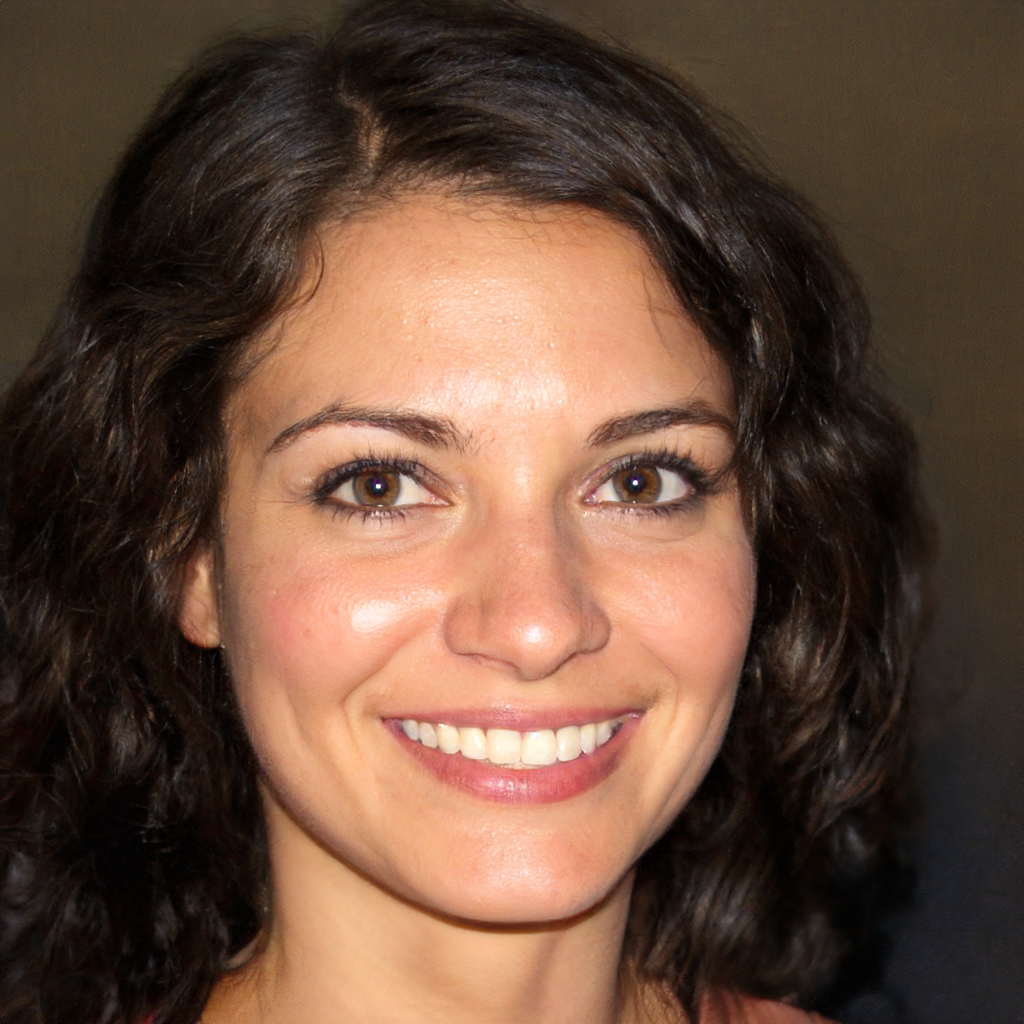
The folding chair in the third row of the municipal auditorium had a slight wobble to the left leg, a small, cheap mechanical defect that clicked against the concrete floor every time I shifted my weight. The air inside the hall smelled like damp wool coats, floor wax, and the stale heat of twelve hundred people crammed under low-slung acoustic tiles. My nursing school cap was pinned to my hair with two stubborn bobby pins that were already digging into my scalp, but I did not dare reach up to fix them because my hands were trembling so badly I knew I would drop the whole arrangement.
Down on the hardwood stage, the dean was reading through a very long list of names, his voice echoing off the cinderblock walls with that flat, recorded drone that makes every academic ceremony feel like it is happening underwater. I kept staring at the program in my lap, tracing the heavy cardstock crease with my thumbnail just to give my fingers something to do besides shake. My father was sitting two seats to my left in a suit he only wore for funerals and graduations, his large, square hands resting flat on his knees, his knuckles scarred from thirty years of working the line at the Erie Forge.
We had not spoken much on the drive over that morning, mostly because the old Ford pickup had a bad lifter that rattled like a can of marbles whenever we hit fifty miles per hour, making conversation nearly impossible. But the silence between us was not the bad kind; it was just the heavy, familiar quiet of two people who had spent a very long time handling grief by simply keeping their heads down and moving to the next chore. I kept thinking about how the kitchen table back home looked right then, with the morning paper still folded beside the toaster and the small ceramic mug my mother had left behind sitting in the back of the cupboard where nobody ever moved it.
For as long as I could remember, my life had been measured in the quiet spaces left behind by things that were gone. When I was nine years old, the kitchen smelled like burnt toast and wet linoleum the day the ambulance came, and after that, the house just seemed to lose its color, fading into shades of gray and pale yellow that never quite came back. My father tried his best, God knows he did, working double shifts at the mill to keep the mortgage paid and the pantry stocked with cans of soup and loaves of white bread.
But a man who leaves the house at five in the morning and does not get back until the evening shift changes cannot teach a little girl how to braid her hair or tell her why her stomach hurts on the first day of middle school. That was where Mrs. Okafor came in, sliding quietly across our back porch like she had always lived there, carrying a small blue bowl of oatmeal or a pair of sharp sewing shears to fix a hem before the school bus rattled down the lane. She did not knock the first time she came over; she just walked right through the back screen door because she heard me crying over a tangled knot of hair I could not get out with a plastic comb.
I was sitting on the edge of the clawfoot tub with tears running down my cheeks, holding the comb so hard my knuckles were white, when she took it right out of my hand without saying a word. Her fingers were warm and smelled faintly of lavender soap and garden soil, and she worked the snarl loose with three slow, patient passes before she even asked my name. “There,” she said, her voice low and steady like a church bell across an empty field. “That is better now, isn’t it?” After that afternoon, she was simply always there, not like a visitor or a guest who stayed for coffee, but like the weather or the front porch stairs, a fixed part of the landscape that nobody ever questioned.
She never tried to take my mother’s place, and I think that was why my father trusted her from the very beginning, letting her keep a spare key on a braided leather cord behind the flour canister. She would come over while he was still down at the mill, fold whatever laundry had been sitting in the wicker basket for three days, and leave a pot of beef stew on the stove with a note written on the back of an old grocery receipt. I spent half my childhood sitting at her kitchen table while she graded papers or packed pill organizers for the local clinic where she worked as a nurse before retiring.
Her refrigerator was a patchwork of magnetic grocery lists, church bulletins, and my own grade school report cards, held up by little brass clips shaped like daisies. While other kids had mothers who showed up for PTA meetings with homemade brownies and expensive dresses, I had Mrs. Okafor sitting in the folding chair by the chalkboard, wearing her sensible cardigan and listening intently to whatever the math teacher had to say about my fractions. She never made a fuss about it, and neither did I, because grief in a house with a working-class father and a missing mother tends to make children very quiet and very careful not to disturb the furniture.
Yet whenever I got sick with the croup or spiked a fever of a hundred and four, it was not the hospital I remember most, but the cold washcloth she pressed against my forehead while she hummed hymns under her breath until the shivering finally stopped. Those small, invisible acts of devotion stacked up year after year until they became the very foundation of how I understood the world, even if I never quite figured out what to call the woman who was performing them.
The dean on the stage cleared his throat into the metal microphone, the sound screeching through the overhead speakers and making half the auditorium wince. I looked up from my program just as the announcer stepped forward, his smile looking entirely too bright under the harsh fluorescent lights of the gymnasium ceiling. He adjusted the black clip-on tie at his collar and tapped the podium twice with his knuckles before speaking into the microphone with a practiced, ceremonial cadence that seemed entirely out of place in our gritty old town. “Before we hand out the final diplomas,” the announcer said, his voice bouncing off the cinderblock walls, “we have a tradition here at the valley institute.
We ask that all mothers of our graduates please stand up so we can recognize the sacrifices you made to get these young people across this stage.” A collective shuffle went through the rows around me as women in floral dresses and sensible shoes began to rise, the sound of shoes scraping against concrete filling the quiet spaces between the rows. My stomach dropped right down to my toes, that old familiar hollow ache returning with the force of a physical blow, and I stared hard at my own lap to avoid looking at the empty space beside my father.
I knew the drill by heart; I had practiced this exact moment in my head a hundred times, bracing myself for the polite silence that always followed when people noticed I was the one sitting there without a mother to turn around and wave to. My father shifted in his seat beside me, clearing his throat once, a dry, heavy sound that told me he was thinking about the exact same thing I was.
And then I saw movement out of the corner of my eye, a sudden shift in the blue fabric of a wool coat two seats down from my father. Mrs. Okafor was standing up. She did not move quickly or dramatically, but with a slow, deliberate grace that seemed to draw every pair of eyes in our section right toward her row. She was wearing her good navy blue Sunday coat with the tortoiseshell buttons, the one she had worn to every church bazaar and funeral for the last fifteen years, and her gray hair was pinned back in its usual neat, practical twist.
She did not look down at the floor or act embarrassed; she simply stood there with her chin up, her gaze fixed straight ahead toward the stage, her presence as solid and undeniable as an oak tree in the middle of a plowed field. My heart did a strange, heavy flip in my chest because she was not my mother by blood, and everyone in our neighborhood knew the story of how my real mother had died on a rainy Tuesday in October when I was nine years old. Yet there she stood, right beside my father, whose shoulders were suddenly very rigid as he stared straight ahead at the back of the row in front of us. The silence around us seemed to stretch out like a tight wire, people beginning to turn their heads slightly, whispering behind cupped hands as they tried to figure out the arithmetic of the seating arrangement.
For a second, I thought someone might say something, or that the announcer might get confused and skip over our section entirely because the rules didn’t quite fit the tidy boxes they had printed on the back of the program.
The announcer didn’t skip a beat, though; he just leaned a little closer to the microphone, his expression softening as if he had seen this kind of thing a thousand times before in classrooms full of working-class kids. “And,” the announcer added, his voice dropping an octave into something much more real and human, “anyone who stood in for a mother, remain standing.” The pause that followed was so complete you could hear the distant hum of the ventilation system kicking on somewhere behind the gymnasium rafters. Then, all around the auditorium, something remarkable happened that nobody had put on the official schedule.
Women who weren’t wearing the corsages, aunts who had raised their sister’s kids, older sisters who dropped out of high school to work the second shift, and neighbors who had kept extra plates on the table for twenty years quietly stayed on their feet. Half the standing women in the room remained up, their faces serious and proud, creating a ragged, uneven line of human stubbornness that stretched across every single section of the bleachers. The collective murmur of the crowd shifted tone entirely, turning from polite academic applause into something heavier, something that sounded remarkably like recognition and shared survival.
I looked up at Mrs. Okafor, and I noticed for the first time how old her hands looked where they rested on the back of the empty chair in front of her, the skin spotted with age and the veins standing out blue and thick like the roots of an old birch tree. My father didn’t look at her either, but I saw his hand reach out very slowly across the narrow space between our seats until his pinky finger brushed against the hem of her coat, a tiny, wordless gesture that told me everything I needed to know about the last twenty years.
The rest of the ceremony passed in a blur of handshakes, camera flashes, and the smell of stale carnations, until we were finally spilling out into the warm afternoon sunlight on the front steps of the auditorium. The air outside smelled like exhaust fumes from idling cars and the sweet, dusty scent of dry grass baked by the June sun, a classic Pennsylvania summer afternoon that always made you want to take off your shoes and walk through the clover. Families were clustered everywhere around the brick pillars, taking pictures with cheap box cameras and handing over awkward, cellophane-wrapped bouquets that were already starting to wilt in the heat.
My father stood near the edge of the concrete landing, holding my heavy black diploma tube like it was a loaded rifle, looking somewhat lost amidst the sea of laughing people and crying grandmothers. I walked over to him, my nursing cap finally slipping out of my hair and dangling by a single bobby pin, but before he could say anything about the ceremony or how hot it was, Mrs. Okafor stepped up between us. She reached out and straightened the collar of my white uniform jacket with fingers that were just slightly steadier than mine, her expression as calm and unreadable as it had always been when she was checking my throat for strep.
Nobody else was looking at us right then, everyone too busy celebrating their own daughters and sons to notice three quiet people standing in the shadow of a concrete pillar. The silence between the three of us was thick with twenty years of unspoken history, of Sunday dinners eaten off TV trays, of report cards stuck to a refrigerator with daisy magnets, and of a man who worked double shifts because he knew someone else was leaving the porch light on.
I looked down at her sensible black walking shoes, then back up at her face, realizing with a sudden, sharp clarity that I was twenty-two years old and had never once called her anything other than Mrs. Okafor. It felt like a small, shameful secret sitting right there in the middle of my throat, blocking my airway just as effectively as any bone or gristle. My father cleared his throat again, that same dry mill-worker cough, and looked off toward the parking lot where the old Ford was sitting with its hood slightly dented from a backing accident three winters ago.
I reached out and took Mrs. Okafor by the sleeve of her navy blue coat, feeling the rough wool fabric bunch up between my fingers as I stopped her from turning toward the car. She looked down at my hand, then back up into my eyes, her expression softening just a fraction around the corners of her mouth where the laugh lines always gathered. I didn’t think about what I was going to say, and I didn’t care about the grammar of it or whether it fit the way normal families did things in our part of the county. I just opened my mouth and let the word out into the warm afternoon air, loud enough that my father stopped his search for the car keys and turned his head to look at us. “Mom,” I said.
The word hung there between us for a second, small and strange and heavy, like a stone dropped into a very deep well. Mrs. Okafor didn’t flinch, and she didn’t smile in that patronizing way adults sometimes use when children try to say something profound before they are ready. She just reached up with both hands, her palms warm and dry against my cheeks, and her eyes suddenly looked very bright and very old behind her wire-rimmed glasses. “It took you long enough to find it, didn’t it?” she said, her voice shaking just a little bit before she pulled me into her chest so hard the gold nursing pin on my lapel pressed right against my collarbone.
I buried my face in the wool of her navy blue coat, breathing in that familiar, unchanging scent of lavender soap and garden dirt, and for the first time since I was nine years old, the house back home didn’t feel gray anymore. My father took a ragged step closer, his heavy work-scarred hand coming down to rest awkwardly on my shoulder, his fingers pressing in with a fierce, quiet gratitude that needed no translation. He looked at Mrs. Okafor over the top of my head, his eyes red around the rims in a way I had only ever seen once before, the day they lowered my mother’s casket into the frozen ground behind the Methodist church. “She did a good job, didn’t she, Sarah?” my father whispered, using the name he had almost forgotten how to say without a catch in his throat.
Mrs. Okafor didn’t answer him right away; she just held onto me a little tighter, her fingers tracing the edge of my cap where the bobby pins had finally come loose and fallen into the grass. “She’s going to be a fine nurse,” Mrs. Okafor said softly, her chin resting against my hair as the afternoon traffic roared by on the state highway below the hill. “She’s been taking care of us all anyway, hasn’t she?” We stood like that for a long time on the sun-baked steps, the three of us forming a small, stubborn circle against the noise and the rush of the graduation crowd, refusing to move until the parking lot had cleared out almost entirely.
When we finally walked back toward the old Ford, my father unlocked the passenger door for her first, the way he always did, but this time he held the handle just a second longer than usual, letting her pass him with a small, respectful nod that looked like nothing less than a marriage proposal between two people who had already survived the worst life could throw at them. I climbed into the back seat among the empty cardboard boxes and my spare nursing shoes, looking out the rattling side window at the brick facade of the auditorium as we pulled away from the curb.
My nursing pin was still pinned securely to my lapel, catching the low slant of the western sun and throwing a tiny, brilliant spark of gold against the gray upholstery of the truck. Mrs. Okafor reached back between the two front bucket seats, her hand, calloused from decades of garden work and gentle care, with her familiar silver ring catching the afternoon sun, resting firmly and naturally right over the metal of my pin.