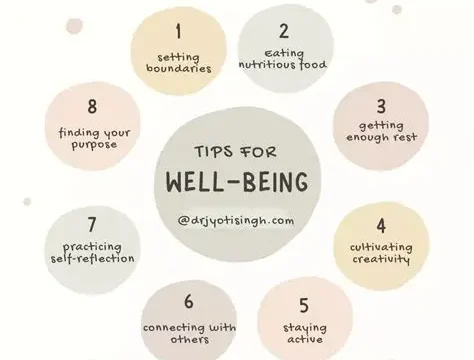
Improving your health does not always require dramatic transformations or strict routines. In fact, some of the most meaningful and lasting results come from small, consistent changes. When simple habits are repeated over time, they can create a powerful impact on both your physical and mental well-being. By focusing on manageable steps rather than overwhelming goals, it becomes easier to build a healthier and more balanced lifestyle.
One of the easiest ways to start is by paying attention to your daily hydration. Drinking enough water throughout the day supports many important functions in the body, including digestion, energy levels, and concentration. Many people underestimate how much better they can feel simply by staying properly hydrated. Keeping a water bottle nearby or setting reminders can help turn this into a natural habit.
Another small but meaningful change is improving your sleep routine. Sleep plays a critical role in overall health, yet it is often overlooked. Going to bed at a consistent time and creating a relaxing environment before sleep can improve both the quality and duration of rest. Even small adjustments, such as reducing screen time before bed or keeping your room cool and quiet, can make a noticeable difference. Better sleep can lead to improved mood, sharper focus, and more energy during the day.
Adding more movement to your day is another simple way to support your health. This does not necessarily mean committing to intense workouts or long gym sessions. Small actions like taking the stairs, going for short walks, or stretching regularly can contribute to better physical fitness. These movements help improve circulation, strengthen muscles, and reduce stiffness. Over time, these small efforts can build into a more active and healthier lifestyle.
Making thoughtful choices about food is also an important part of creating positive change. Instead of trying to completely overhaul your diet, start by adding more nutritious options. Including fruits, vegetables, whole grains, and balanced meals can gradually improve your eating habits. Paying attention to portion sizes and eating mindfully can also help you feel more satisfied and in control. Small improvements in your diet can lead to better energy levels and long-term health benefits.
Reducing stress is another area where small changes can have a big impact. Daily life often comes with responsibilities and challenges, but finding ways to manage stress can improve both mental and physical health. Taking a few minutes each day to relax, breathe deeply, or step away from busy tasks can help calm your mind. Simple activities like listening to music, spending time outdoors, or enjoying a hobby can also support a sense of balance and well-being.
Another helpful habit is practicing good posture. Many people spend long hours sitting or looking at screens, which can lead to discomfort and strain. Being mindful of how you sit and stand can help prevent aches and improve overall comfort. Small adjustments, such as keeping your back straight and shoulders relaxed, can make a difference over time. This is especially important for maintaining long-term physical health.
Limiting excessive screen time is another small change that can lead to big benefits. While technology is an important part of modern life, spending too much time on devices can affect sleep, focus, and even mood. Setting boundaries around screen use, especially during meals or before bedtime, can help create healthier habits. Replacing some screen time with other activities, such as reading or spending time with others, can also improve your overall sense of well-being.
Building strong social connections is another powerful way to support your health. Positive relationships can improve mood, reduce feelings of stress, and create a sense of belonging. Even small efforts, like checking in with a friend or having a conversation with a family member, can make a meaningful difference. Human connection plays an important role in maintaining emotional balance and happiness.
Taking time to reflect and stay mindful can also support long-term health. This might involve spending a few moments each day thinking about what went well or what you are grateful for. These simple practices can help shift your mindset toward positivity and reduce negative thinking. Over time, this can contribute to better emotional resilience and a more balanced outlook on life.
Consistency is what makes these small changes effective. While each habit may seem minor on its own, their combined effect can lead to significant improvements. The key is to focus on progress rather than perfection. Missing a day or making a mistake does not mean failure. Instead, it is an opportunity to continue building healthy habits without pressure.
It is also important to choose changes that feel realistic and enjoyable. When habits fit naturally into your lifestyle, they are more likely to last. Trying to force major changes too quickly can lead to frustration and burnout. By starting small and gradually building on your progress, you create a stronger foundation for long-term success.
Listening to your body is another important part of maintaining good health. Everyone is different, and what works for one person may not work for another. Paying attention to how you feel can help you make better decisions about your habits. This awareness allows you to adjust your routine in a way that supports your individual needs.
In the end, improving your health does not have to be complicated. Small, thoughtful changes can lead to meaningful results when practiced consistently. By focusing on simple habits like staying hydrated, getting enough rest, moving regularly, and managing stress, you can create a healthier and more balanced life. These changes may seem modest at first, but over time, they can make a lasting difference in how you feel every day.