
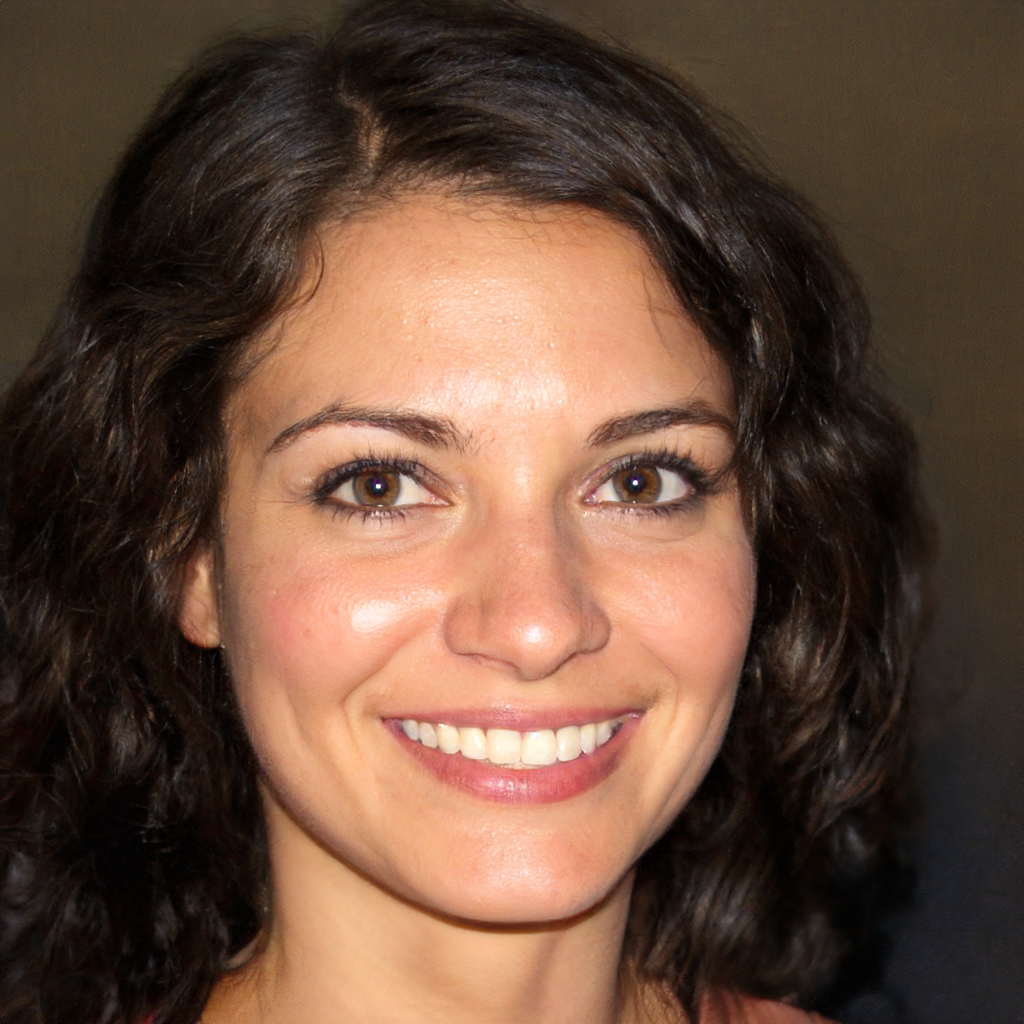
I keep a photo of Lucy on my refrigerator door. It is the first thing I see when I stumble into the kitchen for coffee at 5:15 in the morning. In the picture, she is forty-five years old, wearing a faded floral cardigan, and there is a thick smudge of white vanilla frosting right on the tip of her nose. She is laughing so hard her eyes have disappeared into little crescents. I look at that photo when the shifts at Meadowview Residential Care Home start to feel like a grind.
I look at it when the paperwork piles up and the state inspectors come in with their clipboards, acting like these people are just boxes to be checked off a list.
Lucy has been a resident at Meadowview for six years. I have worked the floor for four. In all that time, I have never seen a visitor walk through the front door for her. Her family lives three states away. They pay the monthly fees on time, which I suppose counts for something in the eyes of the accounting department, but the phone in the common room never rings for her. On her birthday last year, she sat in her favorite armchair by the window from breakfast until dinner. She was wearing her best sweater, the one with the little embroidered daisies on the collar. Nobody called. No card arrived in the mail slot.
I watched her for most of that day while I was passing meds and checking charts.
Around 7:30 PM, I went over and sat on the ottoman in front of her. She was staring at her hands. I asked her, just to be talking, what she would have wanted if she could have anything in the world for her birthday. She didn’t look up, but she whispered, “A cake.”
I left my shift at 8:00 and drove straight to the grocery store on the corner of Main and Elm. I spent exactly $14.62 on a small vanilla cake, a box of birthday candles, and a bunch of cheap latex balloons. I felt ridiculous walking into the care home ten minutes later with a bakery bag and a cluster of bobbing balloons. But when I knocked on Lucy’s door, she opened it slowly. I held out the cake. “Happy birthday, Lucy,” I said. She looked at the frosting, then at the candles, and then she looked at me like I was a magician. “For me?” she asked. “For you,” I told her.
She started crying right there in the doorway, and I don’t think I have ever felt a bigger lump in my throat. We sat on her bed and ate the whole thing with plastic forks. She made me take pictures with my phone, and she kept saying, “I want to remember this forever.”
That was six months ago. Life went on, and the rhythm of the care home stayed mostly the same, until last Tuesday. I was at the nurse’s station logging wound care when a man in a navy blue suit walked in. He looked out of place, all sharp edges and polished shoes in a building that smelled like antiseptic and floor wax. This was David, Lucy’s cousin and the executor of her trust. I had only ever seen his signature on the forms that authorized her annual physicals. He looked around the lobby with his brow furrowed, like he was trying to figure out why he was there.
He walked over to my desk and introduced himself. “I am here for the annual review of Lucy’s file,” he said. His voice was clipped. He didn’t ask how she was doing. He didn’t smile. He just held out a hand for the ledger. I led him to the small administrative office, but I had to grab a few files from the common room first. Lucy was sitting at the table, and she was busy showing off her scrapbook to one of the other residents. She had the photo of us, the one where she has frosting on her nose, taped right to the front cover.
David stopped dead in his tracks when he saw it. He looked at the photo, then he looked at the other crafts on the table, and he pulled a small, expensive-looking notebook from his pocket. He started scribbling things down. When we finally got into the office, he didn’t open the ledger. He sat down and leaned forward. “I noticed some unprofessional items in the common area,” he said. He sounded like he was reading from a manual. “It is important that the staff maintains a clear boundary. We are paying for care, not for emotional entanglement.”
I felt my face go hot. I looked at his hands, which were manicured and steady, and then I thought about Lucy’s hands, which were calloused from decades of hard work before she came to us. “She doesn’t have anyone else,” I said. My voice was quiet, but it felt loud in the small room. He shook his head. “That is not your responsibility. You are here to provide medical oversight. Gifts and personal photos are against the spirit of the service agreement.”
He was making it sound like I was running some kind of scam. I stood up and walked over to the shelf where I kept a small box of Lucy’s things. I pulled out the album she keeps on her nightstand. I slid it across the table toward him. “Look at it,” I said. “Just look at the pages.” He hesitated, but he opened it. It was full of pictures I had printed for her over the last few months. There was Lucy in the garden with a daisy in her hair. There was Lucy drinking tea in the sunroom. There was the birthday photo, right there in the center of the first page, surrounded by stickers she had bought at the dollar store.
He flipped through the pages. The silence in the office stretched out, heavy and uncomfortable. I watched his face. He wasn’t looking at the ledger anymore. He was looking at the way Lucy’s expression changed in every single frame. She looked lighter in these photos than she ever looked in the administrative files. He paused on a picture of us sitting on the back patio. “She looks different,” he finally muttered. He wasn’t talking to me. He was talking to the floor.
“She looks like she’s home,” I said. I didn’t mean to sound harsh, but I was tired of people treating Lucy like a line item on a budget report. “She isn’t a file, David. She is a woman who has been waiting for someone to notice her for three years.” He looked up at me, and for the first time, his eyes didn’t look so cold. They looked tired. “I thought it was better this way,” he said softly. “I thought if I stayed away, if I just kept the money flowing, it would be easier. I didn’t want to see her decline. I didn’t know how to talk to her.”
He closed the album and traced the edge of the cover with his thumb. “I was afraid,” he admitted. It was the last thing I expected to hear. I sat back down. The anger started to drain out of me, replaced by a strange, quiet realization. He wasn’t a villain. He was just another person who didn’t know what to do with the uncomfortable reality of disability and aging. He had chosen to be a stranger because he was scared of his own grief.
“She doesn’t need your guilt,” I said gently. “She just needs to know that when she looks up, someone is there.” He sat in silence for a long time. Finally, he straightened his tie and stood up. He walked over to the window and looked out into the courtyard, where the garden was starting to bloom. “What does she need?” he asked. I thought about the birthday cake. I thought about the way her eyes lit up when she realized someone had actually remembered her. “She needs to be part of a community,” I said. “She needs to see that her life has value beyond the monthly check.”
The next morning, David returned. He didn’t bring a ledger. He brought a carpenter and a local landscaper. They spent the entire day in the common room and the garden. By the time my shift started on Thursday, there was a new, sturdy wooden bench bolted into the concrete of the patio. Next to it was a wall-mounted display case, the kind they use in museums to protect important things. David walked over to me while I was on my lunch break. “I want every resident to have a birthday,” he said. He handed me a business card for a local florist and a catering company. “Make sure this is funded. Every single month.”
I felt a massive weight lift off my shoulders. It wasn’t about the money. It was about the fact that he had finally seen the truth of Lucy’s life. He wasn’t just paying for a room; he was helping build a life. Later that afternoon, I walked Lucy out to the garden. She sat on the new bench, her hands resting comfortably on her lap. She looked at the display case on the wall, which was currently empty, waiting for its first addition.
“Do you have a picture for the wall?” she asked me. I reached into my pocket and pulled out the copy I had made that morning. It was the same photo from my fridge, the one with the frosting on her nose, professionally printed and matted in a beautiful frame. I handed it to her. She took it with both hands, her touch reverent, like she was holding something made of glass.
We walked over to the case together. I opened the glass door and helped her slide the frame into place. She stepped back, looking at her own face, at the joy caught in that split second of time. She turned to me and squeezed my arm. “I am remembered,” she said. It wasn’t a question. It was a statement of fact.
I looked at the garden around us. Other residents were beginning to filter out, drawn by the new bench and the afternoon sun. They were starting to talk to each other, to share little stories, to exist as a group rather than a collection of individuals trapped in their own separate rooms. The air felt different. It felt like a place where people actually lived.
I walked back to the nurse’s station, but I didn’t feel the usual pressure to rush. I had the photo of Lucy on my fridge, and now, there was a copy on the wall in the hallway. It would stay there, a permanent mark that said she mattered. The work was still hard. The hours were still long. But the silence that used to haunt the halls of Meadowview had been replaced by the sound of people talking, laughing, and simply being together.
I looked at the clock on the wall. It was 4:52 PM. In a few minutes, my shift would end, and I would walk to my car. But I didn’t feel like I was escaping. I felt like I was part of something that actually meant something. I thought about the vanilla cake. I thought about the $14.62. It was such a small thing. It was a stupid, insignificant amount of money, really. But it had started a chain of events that had changed the entire culture of the place.
I sat down at the desk and pulled out a fresh patient chart, but I didn’t start writing right away. I just sat there and listened to the sounds of the common room. I heard Lucy laughing. I heard the other residents chatting about the garden. For the first time in years, the care home sounded like a home.
I realized then that I had been wrong about my job. I thought I was there to provide medical care. I thought I was there to keep people safe and clean and fed. But that was only the surface. The real work was in the moments between the tasks. The real work was in showing up, even when it was inconvenient. The real work was in the cake.
I thought about David. I thought about how he had walked in here looking for a way to distance himself, only to end up being the one who built the bench. He had been looking for a way to fulfill a legal obligation, but he had found a way to reconnect with his own humanity. It was a reminder that people are capable of changing, even when they seem the most entrenched in their own fear.
I stood up and went to the break room to grab my bag. I walked past the display case one more time. Lucy was still out in the garden, talking to someone new. She was smiling, that same wide, beautiful smile from the photo. I realized then that she would never be invisible again. We had made sure of that.
The sun was starting to set, casting long, golden shadows across the hallway floor. The care home was quiet again, but it was a different kind of quiet. It was a peaceful, rested silence, the kind that follows a day well spent. I walked out the front door and toward my car, feeling the cool evening air on my face.
I knew tomorrow would bring new challenges. I knew there would be more charts and more state inspectors and more long, tiring shifts. But I also knew that the next time someone’s birthday rolled around, they wouldn’t be sitting alone by the window. They would be sitting on the bench. They would be surrounded by people who cared. And they would have a cake.
I got into my car and started the engine. I looked at the rearview mirror and then at the front of the care home, glowing in the fading light. It looked solid. It looked like a place that could hold all of those lives, and hold them well. I felt a sense of peace I hadn’t felt in years. I had done my job, but more than that, I had done what I was meant to do.
I realized that the biggest things in life are often made up of the smallest, quietest choices. It was a choice to stop, a choice to listen, and a choice to care. And those choices, as small as they seemed, were the things that held the world together. I drove home, the radio playing softly, and I thought about the photo on my fridge. It would stay there, of course. It would stay there as long as I needed it. But I knew that soon, I wouldn’t need it to remember why I did this work. I would have the hallway. I would have the garden. I would have the memory of Lucy’s smile, and the knowledge that for the first time in her life, she was finally, truly, part of the world.
I turned onto my street, and the porch light of my own home flickered on. I pulled into the driveway and sat for a moment in the dark, just breathing. I had done it. We had done it. And that was enough. It was more than enough. I got out of the car and walked to the front door, feeling the weight of the day lift with every step. I was tired, yes, but it was a good tired. It was the kind of tired that comes from knowing you’ve made a difference, in a way that truly matters.
I opened the door and walked inside. The house was quiet, but it didn’t feel lonely. It felt like a sanctuary. I went to the kitchen and opened the fridge. There it was: the photo. Lucy, with the frosting on her nose. I smiled, and for the first time in a long time, I didn’t feel the need to look for a reason. I just felt the gratitude of having been there, of having seen her, and of having been seen in return. I closed the door and went to bed, ready for whatever tomorrow might bring.
I knew that no matter what, we would be there. We would be there for the birthdays, the bad days, and the good days. We would be there for each other. And as I drifted off to sleep, I thought about the garden, and the bench, and the little display case in the hallway. I thought about the way the light had hit the glass, and the way Lucy had looked at her own face, and I knew that everything was going to be alright. Everything was exactly as it was meant to be.
I woke up the next morning at 5:15, just like I always did. I went to the kitchen, made my coffee, and looked at the photo on the fridge. It was still there, the same as it had been the day before. But today, it looked different. It looked like a promise. And I knew, as I drank my coffee and prepared for the day, that the promise was one I was going to keep.
I walked out the door and into the cool morning air, ready for the shift ahead. I knew there would be challenges, but I also knew I wouldn’t be facing them alone. I had Lucy, and I had the garden, and I had the knowledge that we were building something that would last. I was ready. I was finally, truly ready. And as I drove back toward Meadowview, I hummed a little tune, the same one Lucy liked to hum when we were walking in the garden. Life was good. It was simple, and it was hard, and it was beautiful. And that was exactly how it was supposed to be.
I pulled into the parking lot, and the first thing I saw was the new bench, standing sturdy and bright in the morning sun. It looked like it had always been there. It looked like it was waiting for us. And I knew, as I walked toward the front door, that today was going to be a good day. It was going to be a day of birthdays, and laughter, and the quiet, steady work of being human together. I pushed the door open, and for the first time in my life, I felt like I was exactly where I was supposed to be. I was home.