
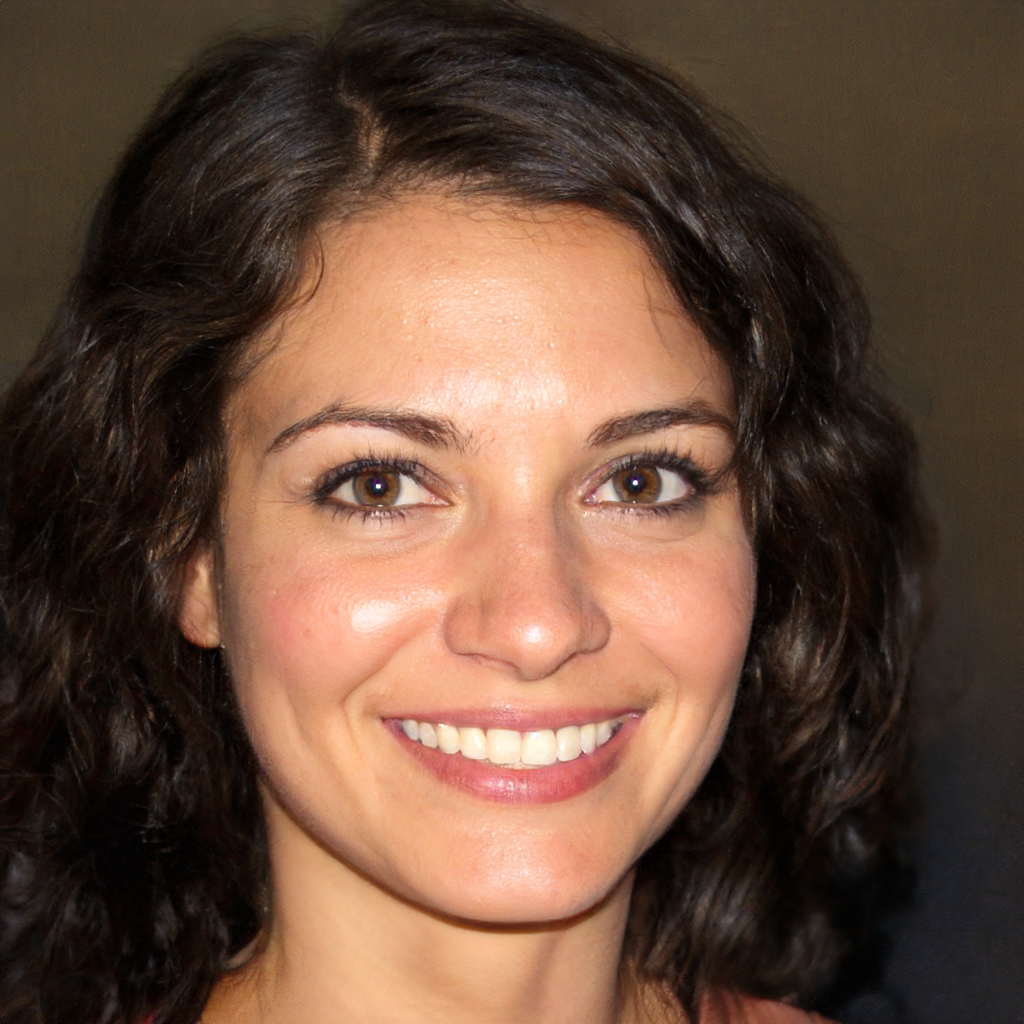
I always looked at the bakery through the eyes of a tax auditor. That was my mistake. My mother, Clara, spent thirty years behind the counter of The Kneaded Loaf, and to me, she was a woman who could never quite get her margins right. Growing up, I watched her pack loaves into paper bags for families who looked like they were walking on eggshells. She would always pull out a loaf that was a little too dark or slightly misshapen and say the same thing every time. “Oh, I can’t sell this one, it’s a mistake.
Could you please take it off my hands so it doesn’t go to waste?”
I used to cringe. I was fourteen, then twenty, then twenty-five, and I kept waiting for her to act like a business owner. She would smile, hand over the bread, and wave them off as if they were doing her a favor. She died three years ago, and honestly, the only thing she left behind was a mountain of paperwork and a building that smelled permanently of yeast and broken dreams. I was in the process of clearing out the office last month, getting ready to list the property for sale, when a woman I didn’t recognize stopped me on the sidewalk.
She looked at me for a long time, her eyes tracing my face like she was trying to find a ghost. “Your mother’s ‘burnt’ bread was the only reason my kids didn’t go to bed hungry during the winter of ’08,” she said.
Her voice was steady, but her hands were shaking. “She never let me pay. She just made me feel like I was doing her a favor by taking it.” I stood there on the sidewalk while the world seemed to tilt on its axis. I thought she was just being kind. I didn’t realize she was keeping a town alive.
I went back inside the bakery and sat at the desk that had been her command center for three decades. The air in the office was still, heavy with the scent of old paper. I reached for the shelf where she kept her general ledgers. I had ignored them for years, assuming they were just proof of her inability to run a profitable shop. I pulled down the volume for 2008, the year everything in the country seemed to fall apart, and I opened it.
The pages were filled with her neat, looping cursive. I expected to see rows of red ink and missed payments.
Instead, I saw meticulous lists of ingredients, fuel costs, and labor. But tucked into the back cover were dozens of small, cream-colored envelopes. Each one was sealed with a piece of tape. I opened the first one. Inside was a receipt for a loaf of bread, but where the price should have been, there was a zero. Beside it, in her steady hand, she had written, “Paid in Full by Community Service.”
I opened another. And another. Each envelope contained a name, a date, and that same phrase. I realized then that I had been looking at the wrong numbers my entire life. She hadn’t been failing. She had been operating a private relief fund, using every cent of her own thin margins to keep the town fed during the collapse. She had taken out a personal loan for fifteen thousand dollars that year, a loan I had always called her biggest business mistake.
I looked at the bank statement tucked into the very back of the ledger. She hadn’t used that money for renovations or new ovens. She had used it to buy high-grade wheat flour and fuel in bulk, just so she could keep the ovens running twenty-four hours a day.
The front door chimed. I looked up, expecting a realtor, but it was Garrick, the manager from the local bank. He looked uncomfortable, shifting his weight from one foot to the other. He had been coming by for weeks, pressing for the final payment on that twenty-year-old commercial loan. “Hannah,” he started, his voice clipped. “I’m sorry, but we have to move forward. The bank merger is finalized next week. We need that fifteen thousand dollar balloon payment, or we have to initiate the foreclosure.”
I looked at the ledger, then at him. “She wasn’t losing money, Garrick. She was saving neighbors.” He sighed, looking at his clipboard. “I know, Hannah. I grew up in this town too. But the bank doesn’t see neighbors. It sees balance sheets.” He turned to leave, but he stopped at the door. “You have until Friday.”
I felt a sudden, sharp anger, not at him, but at my own blindness. I spent the next three days working in the bakery. I didn’t list it for sale. Instead, I cleaned the windows until they shone. I found her old wooden bread paddle, the one she used to slide loaves into the brick oven, and I placed it in the center of the display window. I took a piece of heavy cardstock and wrote the story of the burnt bread, just the facts. I didn’t ask for money. I just told the town what she had done.
I didn’t know what would happen. I thought maybe a few old friends would stop by to pay their respects. By Wednesday, the line stretched down the block. It wasn’t just people coming to look. It was the families. I recognized a few faces, now older, harder, but with that same look of quiet dignity I remembered from my childhood. A man walked in, a contractor I recognized from the high school yearbook. He didn’t say a word. He just placed an envelope on the counter and walked out.
I opened it. It held fifty dollars and a note that said, “She bought my mother groceries for a month. This is for the bread.” By Thursday, the pile of envelopes was a foot high. I wasn’t just counting money. I was counting the weight of a legacy I hadn’t realized I was inheriting. On Friday morning, Garrick walked into the shop. He looked tired. “Hannah, I’m here for the filing.”
I didn’t say a word. I just slid a heavy, thick envelope across the counter toward him. He opened it, his eyes widening as he saw the stack of cash and checks. “What is this?” he asked, his voice barely a whisper. “It’s the balloon payment,” I said. “And the interest. It’s all there. Every cent.” He counted it twice, his hands fumbling with the bills. He looked at the window, at the bread paddle, and then back at me. “I don’t think I’ve ever seen anything like this.”
The town council held a meeting that evening. They didn’t just accept the payment. They moved to designate the bakery as a historic community landmark. They set up an endowment in my mother’s name to provide fresh meals to the local shelters. I stood at the back of the room, listening to people talk about the woman I thought I knew. They didn’t talk about her business sense. They talked about how she made them feel human when the world told them they were nothing.
I went back to the bakery late that night. The silence of the shop felt different now. It didn’t feel like failure. It felt like a foundation. I walked into the kitchen and lit the pilot light on the old brick oven. It hummed to life, a low, steady sound that had defined my childhood. I started the dough, my hands moving in the same rhythms she had taught me. I felt her presence in the flour, in the heat, in the very walls.
I realized then that I had been measuring her life with a ruler, when I should have been measuring it with a heart. She never wanted to be a successful business owner in the eyes of the bank. She wanted to be a neighbor in the eyes of God. I pulled a tray of golden, hand-shaped bread out of the oven, the crust crackling as it hit the cool air. The smell of sawdust and yeast filled the room, familiar and grounding.
I took a loaf, one that was slightly misshapen, just the way she used to make them, and I placed it on the counter. I pulled out a wooden sign and wrote on it in her same, looping cursive: *Daily Mistakes, Take One If You Need A Win Today.* I looked at her framed photo on the wall, her eyes crinkling in that way they always did when she was about to pull a ‘mistake’ out of the oven for someone who needed it. I finally understood. She wasn’t a bad baker. She was a master of the only business that actually mattered. I set the basket in the window, watching the morning sun catch the golden crust, and for the first time in my life, I felt like I was exactly where I was supposed to be.